Autumn Asks Us to Let Go: What Ancient Healers Knew About This Season
My grandmother never needed a calendar to tell her when autumn had arrived. She knew by the light. By the way the afternoons turned golden and short, by the first cool breath of evening, by the sudden urge to put something warm on the stove. I think of her every year around this time, when the clocks go back and everyone around me seems to sigh at once. Earlier darkness. Heavier eyelids. A quiet wish to slow down. It turns out that wish is very, very old.
The Season of Letting Go
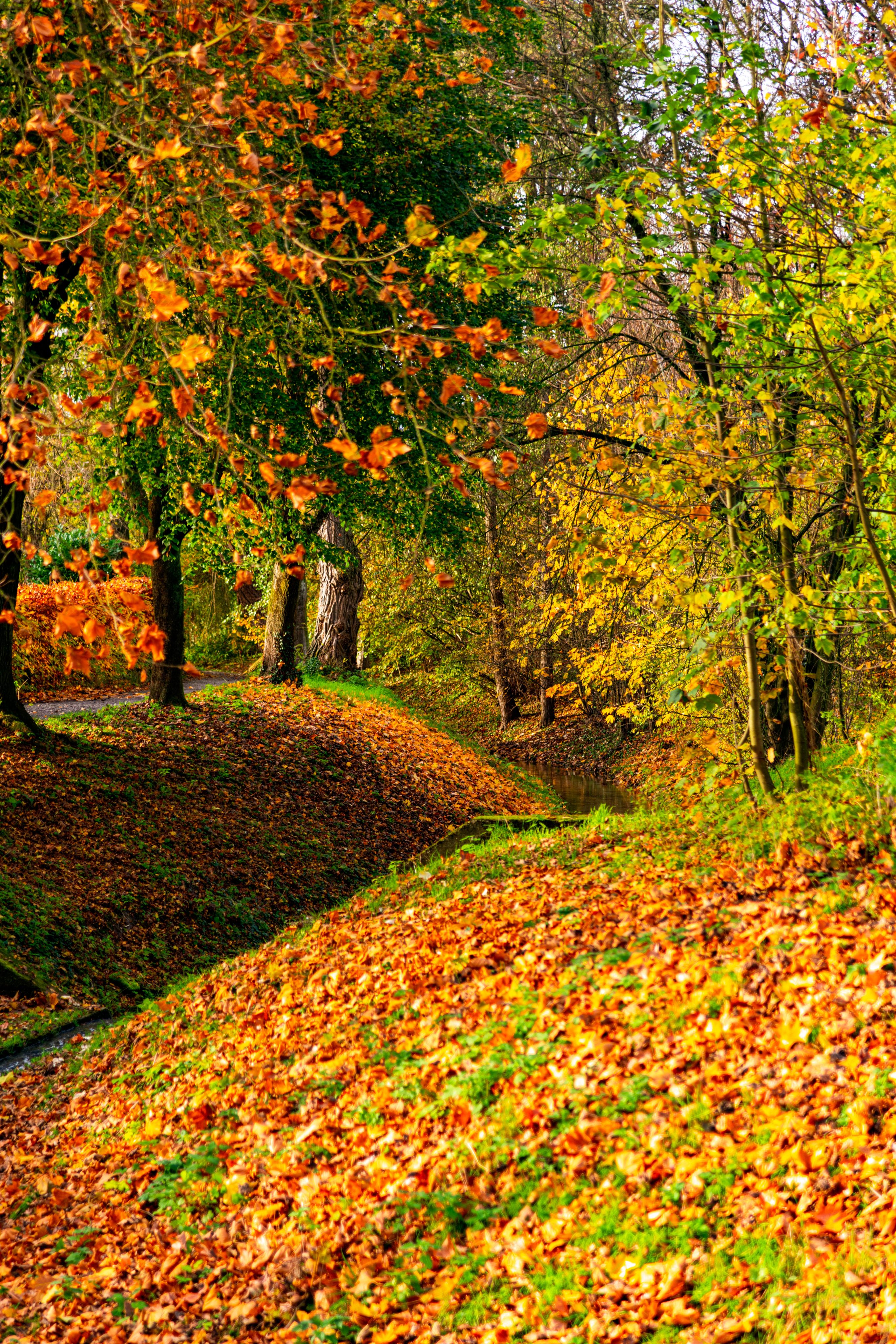
In Traditional Chinese Medicine, autumn belongs to the Metal element, and Metal is the energy of the lungs. It is the season of gathering in, of simplifying, of releasing what we no longer need, the way a tree lets its leaves fall without any fuss.
The Yellow Emperor's Classic, the foundational text of Chinese medicine, has a whole chapter on living in step with the seasons. Its advice for autumn is touchingly simple: go to bed early, rise early with the light, keep the mind calm, and stop scattering your energy outward. The text says that living this way keeps the lungs clear, while ignoring it leaves us weaker as winter arrives. The same chapter adds a lovely idea: in spring and summer we nourish our warm, active side (yang), and in autumn and winter we turn toward the cool, quiet, replenishing side (yin). No complicated rules. Just a gentle turning inward.
Why Your Skin Notices Before You Do
The air grows drier in autumn, and in TCM, dryness is the season's signature influence. It is said to tax the lungs and the body's fluids. You may notice it first in small ways: dry lips, a scratchy throat, skin that suddenly feels tighter, hair that loses its softness. Nothing alarming. Just your body telling you it would like a little more moisture, warmth, and rest.
What the Clocks Have to Do With It
Here is something my grandmother would have understood without a single study: our bodies follow the light, not the clock on the wall.
Sleep scientists agree. The American Academy of Sleep Medicine has pointed out that the yearly clock changes can pull our social schedule out of step with our internal rhythm, and that this mismatch has been linked in research to health and safety risks. The strongest evidence concerns the spring change, but the lesson holds all year: the closer we live to natural light and darkness, the better we tend to sleep. So when the evenings darken, let them. That is not laziness. That is alignment.
Three Gentle Autumn Habits
You do not need a new routine. Just a few small shifts, the kind a grandmother might suggest over tea.
1. Go to bed a little earlier. Even twenty minutes counts. Let the darker evening be your cue to wind down rather than push through.
2. Eat warm and moist. Traditional Chinese food wisdom favors soups, porridges, and stewed pears with a touch of honey in autumn, along with almonds and sesame, to moisten the dryness of the season. This is traditional practice rather than medical advice, but a warm bowl never hurt anyone.
3. Breathe, and let one thing go. Spend five slow breaths by an open window each morning. Then, if you like, name one small thing you are ready to release: a worry, a habit, a "should." In TCM, grief is the emotion of the lungs, and autumn is the kindest time to put some of it down.
A Season Like This One
The old healers did not see autumn as an ending. They saw it as a gathering: of strength, of warmth, of what truly matters, before the stillness of winter. I find that comforting. Especially here in Calvià, where the light softens and the island exhales after a long summer.
Let the leaves fall. You will be lighter for it.
Curious which season your body needs most? That is exactly what we explore together in a Five Elements Assessment. Book a session and let's find out.