Cupping Therapy: The 1,000-Year-Old Practice Making a Comeback
There is a story my grandmother used to tell — not about cupping exactly, but about how the old ways always seem to circle back to us, dressed in new clothes, when we finally need them again.
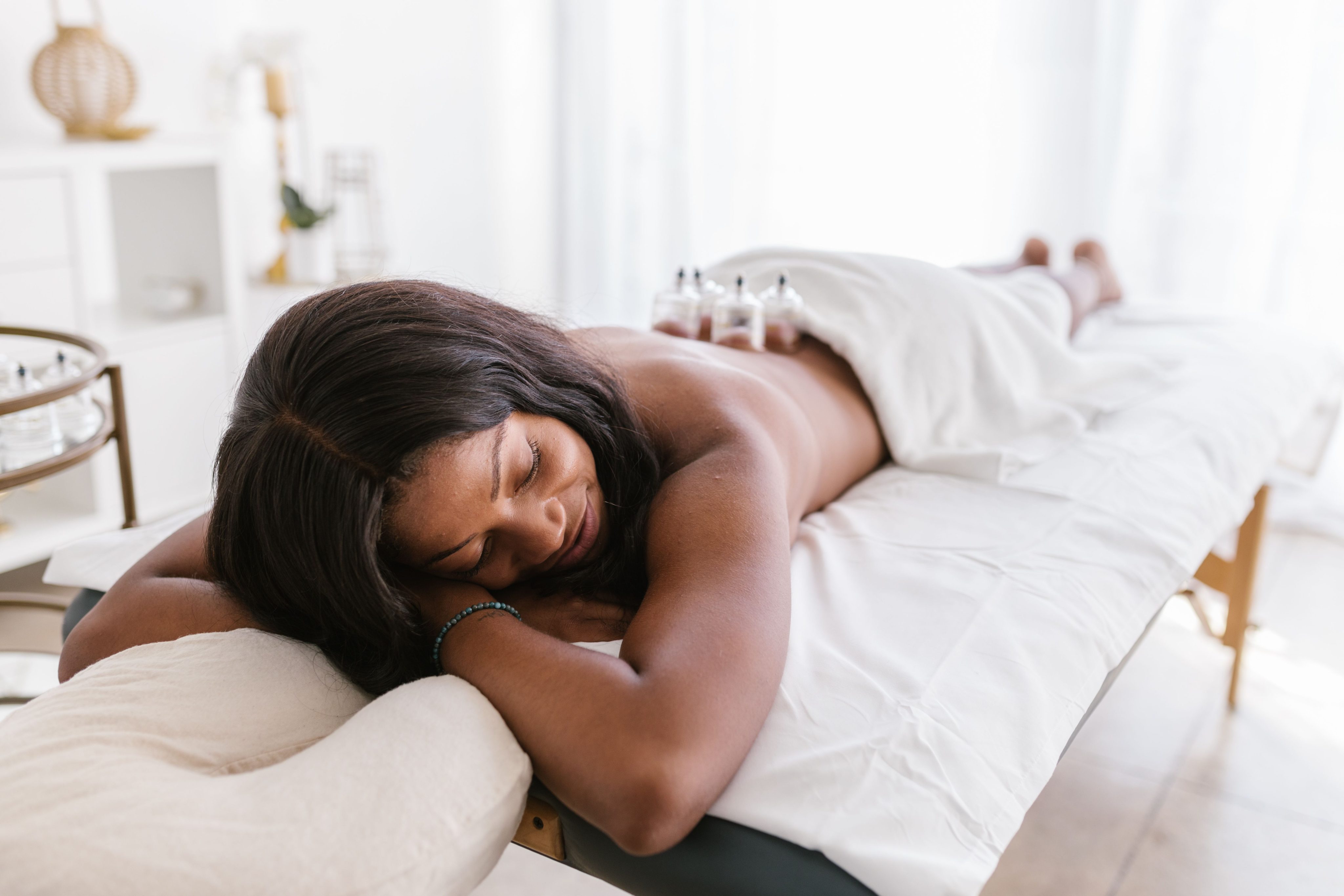
I think of her often when I place the cups on a patient's back. That soft pop of suction, that gentle pull on the skin — it is one of the oldest sounds in the history of healing. Long before pharmacies, before clinics, before anyone had heard the word "wellness," people were already doing this. Sitting with each other. Placing a warmed vessel against tired skin. Waiting, patiently, for the body to loosen its grip.

An Old Friend, Not a New Trend
You may have seen those round marks on an athlete's shoulders and wondered if cupping was some modern fad. It is not.
Cupping is one of the oldest healing techniques still practiced today — the earliest written mentions appear in the Ebers Papyrus, an Egyptian medical text dating back to around 1550 BCE, though some historians trace its roots in China to nearly 3000 BCE.
The Greeks knew it too — even Hippocrates, the father of Western medicine, described its use. In China, it was refined over centuries and became so woven into the fabric of healing that an old saying still circulates: acupuncture and cupping cure more than half of all ills.
By the time it reached the Middle Ages, healers across Islamic and European traditions had adopted and refined it further, each culture adding its own wisdom to a practice that, centuries later, is still quietly at the heart of longevity traditions.
What strikes me, every time I read about this history, is not how different these cultures were — but how similar their instinct was. Across separate continents, without speaking to one another, our ancestors all arrived at the same conclusion: that suction on the skin could summon the body's own healing response. That is not coincidence. That is wisdom, tested by time.
What Is Actually Happening Under the Cup
When I explain cupping therapy to a new patient, I like to keep it simple, the way my grandmother would have explained anything to me. The cup creates a gentle vacuum. That vacuum draws blood and fluid up toward the surface of the skin, encouraging fresh circulation to areas that have grown stiff, tired, or stagnant. In Traditional Chinese Medicine, we would say it helps unblock the flow of Qi — your body's vital energy — wherever it has become stuck.
Modern research is beginning to catch up with what grandmothers always seemed to know instinctively. A 2019 systematic review in the journal Complementary Therapies in Medicine found that cupping provided meaningful relief for lower back pain, with participants reporting notable reductions in discomfort.
Other studies point to improved circulation, reduced inflammation, and support for the body's natural recovery process. None of this replaces medicine when medicine is needed. But as a companion to a tired body, a stressed mind, or muscles that carry the week's weight in their fibers it has earned its long life.
Why This Still Matters Today
We live busier, more depleted lives than our grandmothers ever imagined. And yet the body has not changed. It still holds tension in the same places. It still responds to warmth, to touch, to the simple act of someone taking twenty quiet minutes to attend to it.
In my practice, cupping is one of the gentlest tools I use — painless, quick, and often the therapy that leaves people feeling the most immediately different. It helps ease stress, supports better sleep, softens stiffness in the neck and shoulders, and speeds recovery in tired muscles. Sometimes the oldest remedies are simply the ones we forgot to keep using.
My grandmother never needed a clinical trial to trust what her hands could feel. But I am glad, all these centuries later, that science is finally listening too.